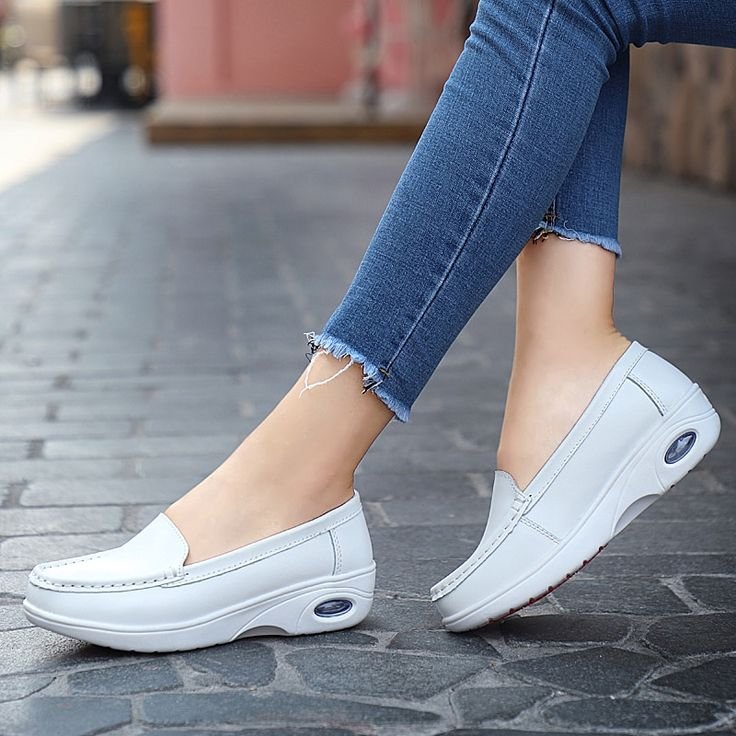
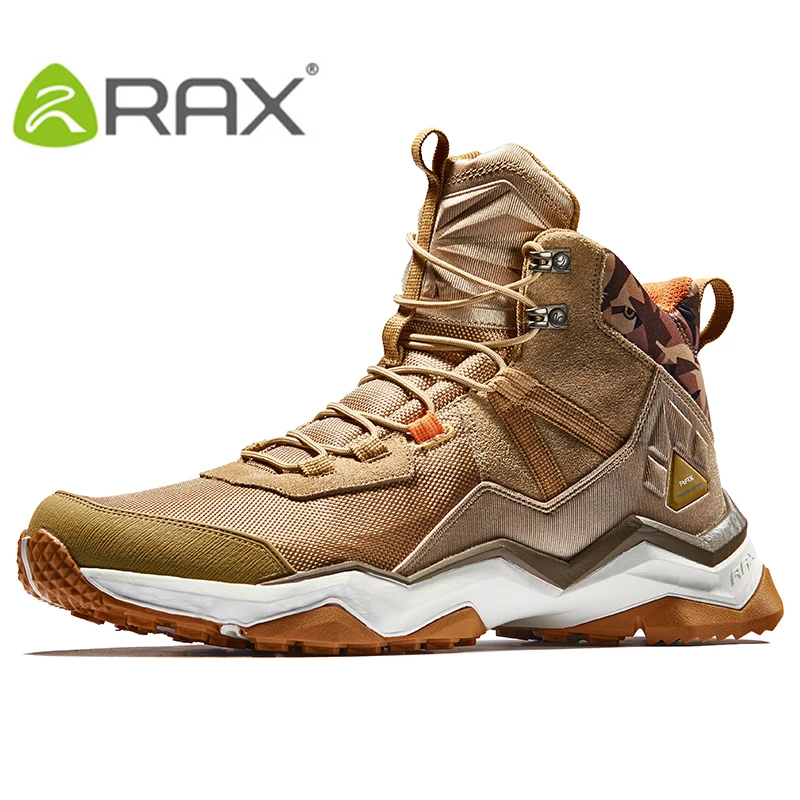
Whether you’re in construction, manufacturing, logistics, or even healthcare, one thing is clear: safety shoes are non-negotiable. They’re not just part of your uniform — they’re a crucial layer of protection that shields your feet from injuries, fatigue, and long-term damage.
In this comprehensive guide, we’ll walk you through the different types of safety shoes, the difference between safety shoes vs work boots, and how to choose the right safety shoes for your job.
What Are Safety Shoes?
Safety shoes are specially designed footwear built to protect your feet from workplace hazards. They are required in many industries such as construction, logistics, engineering, healthcare, and food service.
They can protect you from:
- Falling or rolling heavy objects
- Sharp objects or nails on the floor
- Electrical hazards and static discharge
- Slippery, wet, or uneven surfaces
- Extreme hot or cold temperatures
If you want a deeper dive into their benefits, check out our article on
Why Safety Shoes Matter: Protecting Your Feet on the Job
Key Features of High-Quality Safety Shoes
Modern safety shoes do more than just protect your toes. Here’s what to look for when choosing a pair:
Toe Protection (Steel Toe vs Composite Toe)
- Steel Toe: Heavy-duty steel caps for maximum impact resistance. Ideal for high-risk industries like construction and manufacturing.
- Composite Toe: Made from lightweight, non-metal materials like Kevlar or carbon fiber. Great for electrical environments and won’t set off metal detectors.
If you’re unsure which is best for your work, read our comparison of Steel Toe vs Composite Toe
to understand their differences and use cases.
Slip-Resistant Outsoles
Crucial if you work on wet, oily, or polished floors. Slip-resistant soles help prevent accidents in kitchens, warehouses, and hospital environments.
Puncture Resistance
Shoes with steel or Kevlar midsoles prevent sharp objects from piercing through the sole. This feature is especially useful for construction or demolition sites.
Electrical Hazard Protection
EH-rated safety shoes protect against electric shocks by providing non-conductive insulation. These are essential for electricians or those working around high-voltage equipment.
Comfort and Breathability
- Look for:
- Cushioned insoles
- Breathable mesh uppers
- Lightweight materials
- Proper arch support
Comfort matters. Tired feet can affect your focus and increase the chance of accidents.
Who Needs Safety Shoes?
Anyone working in a physical or hazardous environment needs safety shoes, including:
- Construction and engineering
- Warehousing and logistics
- Factories and industrial plants
- Medical and laboratory settings
- Food service and kitchens
Even office staff who occasionally visit industrial sites may need them. For lightweight options suited for everyday use, check out our guide on
Work Shoes for Men
Types of Safety Shoes
There are several types of safety shoes, each built for different hazards:
- Steel Toe Safety Shoes – Best for heavy-duty environments (construction, warehousing)
- Composite Toe Safety Shoes – Lightweight and non-conductive, ideal for electricians
- Puncture-Resistant Shoes – With steel or Kevlar midsoles for construction sites
- Electrical Hazard Shoes – Protect against shocks in high-voltage areas
- Slip-Resistant Safety Shoes – For wet or greasy floors, common in kitchens or hospitals
If you want to see the top models available right now, check our list of
Best Steel Toe Work Boots
Safety Shoes vs Work Boots vs Regular Shoes
A common question is the difference between safety shoes vs work boots and how they compare to regular footwear.
| Feature |
Safety Shoes |
Work Boots |
Regular Shoes |
| Protection Level |
High (toe caps, slip resistance) |
Medium to High (ankle support, durability) |
Low (minimal protection) |
| Weight |
Lightweight to Medium |
Heavier |
Light |
| Best For |
Warehouses, factories, healthcare |
Construction, outdoor, rugged terrain |
Office, casual use |
| Safety Certifications |
ASTM, ISO, CE |
Sometimes |
None |
Safety shoes are lighter and designed for day-long wear.
Work boots are heavier but offer stronger ankle support.
Regular shoes are not suitable for hazardous environments.
How to Choose the Right Safety Shoes
Finding the right pair is crucial for comfort and protection. Here’s a simple checklist:
- Know the Safety Standards
Look for ASTM, ISO, or CE certified shoes that meet safety regulations.
- Assess Workplace Hazards
Match your shoes to the risks: falling objects (steel toe), electrical hazards (composite toe), or sharp debris (puncture-resistant soles). For a detailed walkthrough, read: How to Choose the Right Safety Shoes for Your Work Environment
- Prioritize Fit and Comfort
Try shoes at the end of your shift when your feet are slightly swollen, and make sure they fit snugly without squeezing your toes.
- Pick the Right Style
Choose between low-cut (flexibility), mid-cut (balance), or high-cut (maximum support) depending on your work demands.Choose between low-cut (flexibility), mid-cut (balance), or high-cut (maximum support) depending on your work demands.
Best Safety Shoes to Buy in 2025
Here are a few well-rated picks for different work environments:
- Durable Anti-Slip Steel-Toe Men’s Safety Shoes — breathable and durable, ideal for factory floors
- Waterproof Steel Toe Boots — rugged outdoor boots with solid steel toe protection
- Durable Men’s Safety Shoes with Steel Toe — lightweight and anti-puncture, great for long shifts
- Safety Work Shoes Mesh Breathable Lightweight — airy mesh with cushioned insoles for comfort
You can explore more styles at Footlynx where function meets workplace style.
FAQs About Safety Shoes:
Q: Are safety shoes only for heavy-duty jobs?
No. Even roles in hospitals, warehouses, or kitchens may require them depending on the risks.
Q: How often should I replace safety shoes?
Typically every 6–12 months, or sooner if they show visible damage or worn-out soles.
Q: What’s the difference between steel toe and composite toe?
Both protect from impact. Steel is stronger but heavier, while composite is lighter and non-metallic — better for electrical environments.
Final Thoughts
Choosing the right type of safety shoes is an investment in your health, safety, and productivity. Whether you’re walking on a warehouse floor or climbing scaffolding on a construction site, your feet deserve solid protection.
Don’t wait for injuries to happen — start with the right footwear today.